

Jewellery today is bursting with colour—vibrant sapphires, fiery rubies, and deep green emeralds are no longer reserved for royalty or collectors. They’re seen on runways, in everyday fashion, and even in bridal trends. But this obsession with coloured stones is a relatively modern shift. So when did colour become such a statement in jewellery—and what sparked the change?
To find the answer, we have to go back in time.
Colour Wasn’t Always King: How Diamonds Took—And Lost—The Spotlight
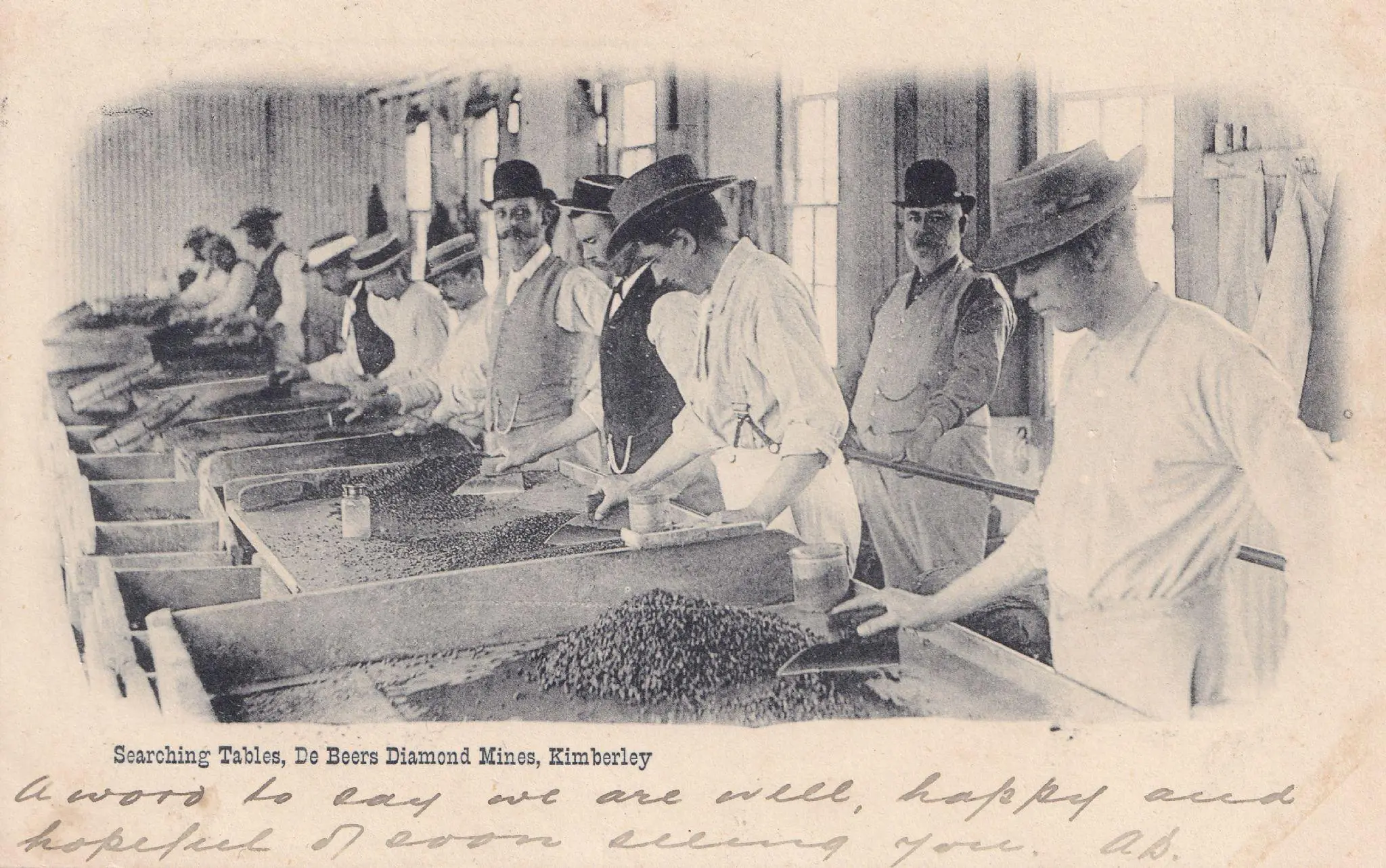
Jewellery was never colourless for most of its history. If you went back to ancient Egypt or the Mughal courts, vivid stones—lapis, emerald, carnelian—dominated royal regalia. But from the late 19th century onward, something shifted.
The industrial scale of diamond mining, and the founding of De Beers in 1888, made diamonds both affordable and desirable for the masses.
Diamonds achieved two things no colored stone ever did:
- Monopoly on meaning: By the early 1900s, “forever” meant diamond, thanks to relentless marketing.
- Uniformity: Clear, sparkling stones became a shorthand for success and love. Every engagement looked the same.
Fashion, too, played its part. The post-war period craved predictability and icons—diamonds fit that mood. If you had means, you wanted to show it simply.
But there were always exceptions. The Maharajas, Russian aristocracy, and Hollywood’s elite kept colour as their secret weapon, Colombian emeralds, Burmese rubies, sapphires in every shade.
The Turning Point: When Did Colour Come Roaring Back?
The real switch started quietly. Two things pulled color into the global spotlight: changing values and changing supply.
- New mining frontiers in Africa: According to Harper’s Bazaar India, more than 80 percent of colored gems in global trade are African, transforming what was once rare into something accessible.
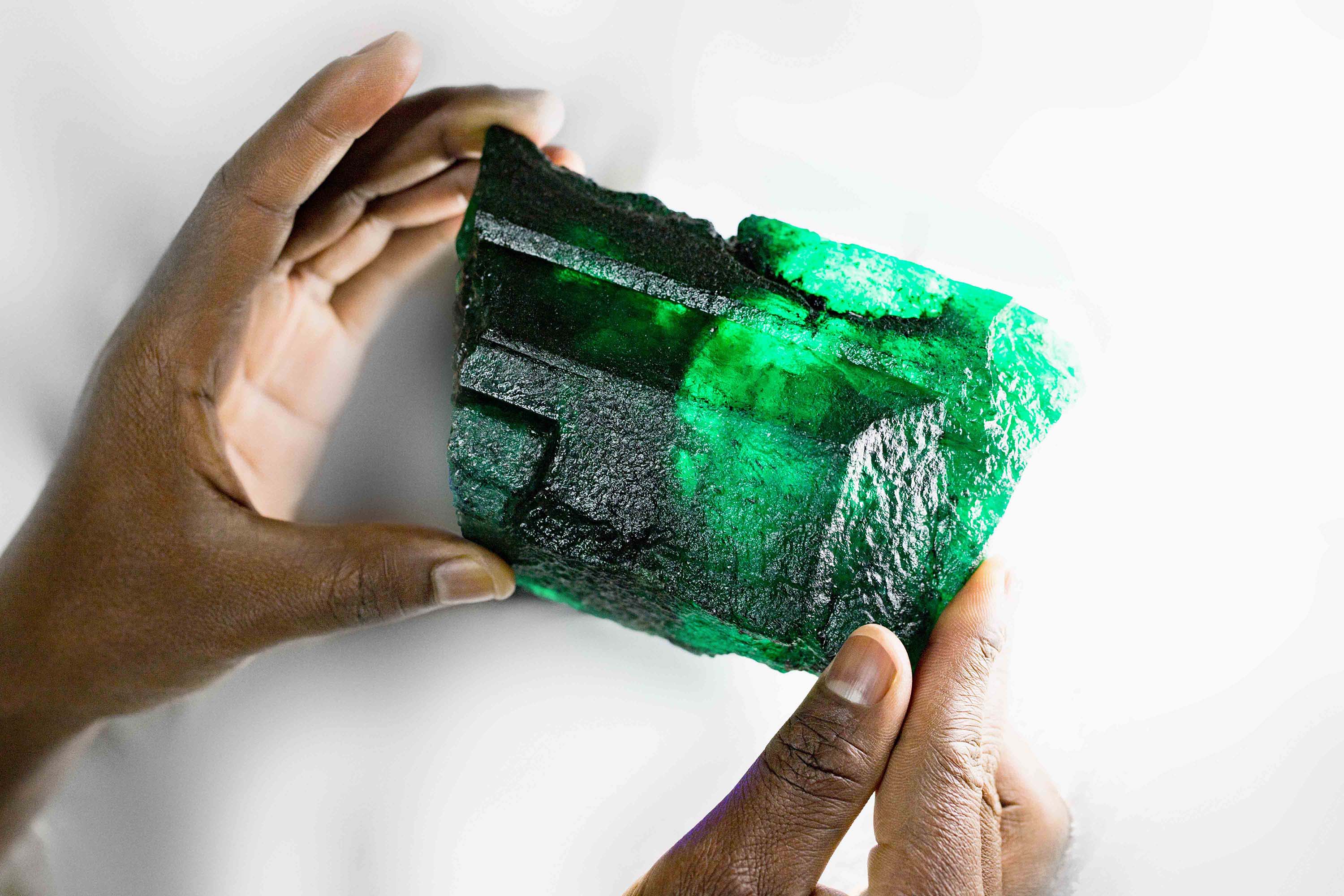
- A major find: Zambian emeralds were discovered in the 1960s. While their impact was slow at first, over time they helped unseat Colombia’s long monopoly on green stones, adding supply and variety.
- Cultural influences: The late 20th century brought an embrace of individualism. People started to want jewellery that said “me”—not “everyone.”
As these trends gained pace, we started to see color not only in custom orders or one-off statements, but on the runways, in mass-market designs, and—most dramatically—in bridal jewellery.
Colour in Bridal: A Data Shift
Let’s get specific. The idea of a ruby or sapphire engagement ring would have raised eyebrows in the 1990s. Now? Not even close.
| Year | % of Bridal Jewellery Featuring Colour |
|---|---|
| 2006 | Less than 10% |
| 2026 | About 30% |
Source: Harper’s Bazaar India
That’s not just a fashion quirk, that’s a new norm for an entire generation.
Why The Boom? The Real Forces Behind Gemstones’ Rise
It’s tempting to chalk up the gemstone revival to Instagrammable color or celebrity influence. Some of that is true (Meghan Markle’s aquamarine, anyone?), but the deeper story is less about icons, more about shifts in power.
:max_bytes(150000):strip_icc():focal(419x319:421x321)/princess-diana-meghan-markle-120722-9c9df5fd7b91447995c873c1f37ef402.jpg)
1. Global Access Changed Everything
- African supply chains: Gemfields and other players brought scale, transparency, and marketing muscle to colored stones.
- Mining for the world: With more than 80% of colored gems now of African origin, options exploded, suddenly, anyone could ask for an unheated sapphire, a tsavorite garnet, or a Zambian emerald.
- Lab-grown innovation: New technology means colored stones aren’t just for the ultra-wealthy. Lab-grown rubies and sapphires, virtually indistinguishable to the eye, made these colors accessible at scale.

2. Consumers Want Story, Not Just Status
Forget “just the biggest rock.” Buyers in the 2020s want:
- Personal stories: Birthstones, lucky gems by date of birth, and custom combinations.
- Sustainability: A stone from a responsible source or with a transparent backstory.
- Color psychology: Choosing stones for meaning, mood, or even supposed healing.
Stones evoke feelings in a way diamonds rarely do. Emerald says confidence; sapphire signals loyalty; tourmaline feels playful.

3. Designers Freed Themselves From Old Rules
Once, only the biggest houses dared crazy color combinations. Now:
- Small makers build lines around unexpected gems (spinel, zircon, paraiba tourmaline).
- Mix-and-match is as important as provenance. Stack five rings in five colors—it’s a look.
- Social media rewards the bold. You don’t need a family crest, just an original palette.
Shifting Tastes by Generation: Gen Z and Millennials Lead the Charge
Younger buyers are driving the change. Here’s what’s different now:
- Mixing high and low: It’s normal to layer a sentimental sapphire piece with mass-market jewelry—pulling looks from Instagram, not tradition.
- Education demand: Today’s buyers arrive at stores already knowing about the big four Cs (cut, clarity, color, carat), and want more nuanced info—origin, treatment, even political context.
- Desire for “the rarest”: The world’s oldest known gemstone, zircon (4.4 billion years old), pops up in TikTok explainers and online jewellery hauls. Rarity is cool, but so are stories and symbolism.
- Bridal rebellion: Diamonds are no longer the default. Brides and grooms are picking stones that mean something real or match a favorite colour.
| Factor | Then (Pre-2000s) | Now (2020s) |
|---|---|---|
| Default Engagement Stone | Diamond | Any color, any stone (esp. sapphires, rubies) |
| Information Flow | Jeweller’s word | Self-research, social media, influencers |
| Sourcing Concerns | Rarely discussed | Sustainability, transparency valued |
| Customization | Limited | High (mix, match, design-your-own) |
What the Industry Never Saw Coming: Colour as the New Classic
The jewellery world didn’t expect color to become the new standard. Twenty years ago, diamonds looked unshakeable. But with more access, stronger personal stories, tech-fueled creativity, and a new generation of buyers, colored stones are the new classics.
About 30 percent of bridal pieces now feature color—up triple from the early 2000s. That’s more than a trend; it’s a generational pivot.
The lesson? Colour in jewellery isn’t just a wave. It’s the new ground floor. For designers, brands, and collectors, betting on bold stones isn’t a gamble—it’s the default move. And judging by the world’s appetite for spinach-hued emeralds, hot pink sapphires, and every rainbow in between, this era of gemstone dominance is just getting started.
Gemstones in Indian & Bridal Jewellery
In India, gemstones have never been just decorative—they’ve always carried cultural weight, emotional symbolism, and even spiritual significance. Long before global trends rediscovered coloured stones, Indian jewellery had already mastered the art of weaving colour into identity, ritual, and status.
To understand today’s revival of coloured gemstones in bridal jewellery, you have to recognize one simple truth: India never really left colour behind.
A Tradition Rooted in Royalty and Ritual
From the Mughal era to Rajput courts, Indian royalty built their identity around gemstones. Emeralds from Colombia, rubies from Burma, and sapphires from Sri Lanka weren’t just collected—they were curated into heirlooms.
Maharajas didn’t wear diamonds alone. They wore:
- Deep green emerald chokers symbolizing power and prosperity
- Blood-red rubies representing passion, protection, and vitality
- Multi-gem necklaces (navratna) believed to align cosmic energies
These weren’t trends. They were belief systems embedded in design.
Even today, this influence trickles down into bridal jewellery. When a bride wears gemstones, she isn’t just accessorizing—she’s participating in centuries of meaning.
The Navratna Influence: Jewellery as Energy
One of the most defining aspects of Indian gemstone use is the concept of Navratna jewellery—a combination of nine gemstones, each representing a celestial body.
This includes:
- Ruby (Sun)
- Pearl (Moon)
- Coral (Mars)
- Emerald (Mercury)
- Yellow sapphire (Jupiter)
- Diamond (Venus)
- Blue sapphire (Saturn)
- Hessonite (Rahu)
- Cat’s eye (Ketu)
Brides, especially in traditional families, often wear or are gifted Navratna pieces not just for beauty, but for balance, luck, and protection in married life.
This is where Indian bridal jewellery stands apart globally—it merges aesthetic with intention.
Regional Bridal Styles: A Celebration of Colour
India isn’t a single aesthetic—it’s dozens of micro-traditions. And gemstones play a different role in each.
- South Indian brides lean heavily into temple jewellery, featuring rubies, emeralds, and uncut stones set in gold. The palette is rich, warm, and deeply traditional.
- Rajasthani and Gujarati brides embrace kundan and polki jewellery, where coloured gemstones are layered with uncut diamonds, creating a regal, vintage look.
- Bengali brides often incorporate rubies and gold in bold, statement pieces that stand out against red sarees.
- Modern urban brides are now mixing pastel lehengas with sapphires, morganites, and even tourmalines for a softer, contemporary aesthetic.
Across all these styles, one thing is consistent: colour is intentional, not accidental.
Symbolism: What Brides Are Really Choosing
Every gemstone tells a story—and Indian brides are increasingly choosing stones based on what they represent:
- Emerald (Panna): Growth, harmony, new beginnings—perfect for marriage
- Ruby (Manik): Love, passion, strength—symbolic of emotional depth
- Sapphire (Neelam): Loyalty, wisdom, stability—ideal for long-term commitment
- Pearls (Moti): Purity and calm—often chosen for softer, elegant bridal looks
This aligns directly with a larger shift highlighted in your blog—modern buyers are moving toward meaning-driven purchases rather than status-driven ones .
In India, this isn’t new—it’s just being reinterpreted for a new generation.
The Modern Indian Bridal Jewellery
Here’s where things get interesting.
While Indian bridal jewellery has always embraced gemstones, what’s changing now is how they’re being used:
- Brides are choosing single-stone statement pieces instead of heavy sets
- Mixing gemstones with minimal gold or diamonds for a lighter look
- Customizing jewellery based on birthstones or personal milestones
- Pairing traditional pieces with Western silhouettes
And importantly, coloured stones are no longer reserved for the wedding day alone—they’re being designed for repeat wear, which aligns with modern lifestyle choices.
This shift mirrors the broader trend you mentioned—where nearly 30% of bridal jewellery now features colour, driven by personalization and evolving taste .
Why Gemstones Feel “Right” for Today’s Bride
Let’s be honest—this isn’t just about aesthetics.
Today’s bride is different:
- She’s informed
- She values individuality
- She doesn’t want to look like everyone else
Diamonds once dominated because they symbolized uniformity and status. But gemstones offer something diamonds struggle with:
Identity.
A sapphire ring doesn’t just sparkle—it says something.
An emerald choker doesn’t just shine—it feels intentional.
And that’s exactly why gemstones are thriving again—not as a trend, but as a return to something more personal, more expressive, and frankly, more interesting.
Frequently Asked Questions
Q: What is the #1 rarest gem?
A: The rarest gem is generally considered to be painite, which was once thought to be the rarest mineral on Earth. Its scarcity and unique properties make it highly sought after by collectors.
Q: What does God say about gemstones?
A: In the Bible, gemstones are often mentioned in the context of beauty, value, and divine creation, symbolizing purity and holiness. For example, the Book of Revelation describes the foundations of the New Jerusalem as adorned with various precious stones.
Q: What gemstone is good for cholesterol?
A: While no gemstone can directly lower cholesterol, some believe that certain stones like garnet and amethyst can promote overall health and well-being, which may indirectly support heart health.
Q: Why are colored gemstones becoming more popular?
A: Colored gemstones are gaining popularity due to changing consumer values, increased accessibility from African supply chains, and a desire for unique, personal stories in jewelry.
Q: How has the perception of engagement rings changed?
A: The perception of engagement rings has shifted from a default diamond to a variety of colored stones, with about 30% of bridal jewelry now featuring colors like sapphires and rubies.
Q: What factors are influencing the rise of colored gemstones?
A: Factors influencing the rise of colored gemstones include the demand for sustainability, the desire for personal stories, and the influence of social media on jewelry trends.


