

You can trace the history of lapis lazuli back nearly 7,000 years, but what’s more striking is this: ancient Sumerians considered it more valuable than gold.
They traded, fought, and created with a blue stone pulled from mountains half a continent away — not because it was rare, but because they believed it did something nothing else could. Across cultures and millennia, lapis lazuli wasn’t just another gem; it shaped myths, crafts, and even the colors of the world’s greatest art. Here’s why this deep blue stone still matters — and what its ancient wisdom can teach us today.
How Lapis Lazuli Defined Cultures: More Than Just a Gem
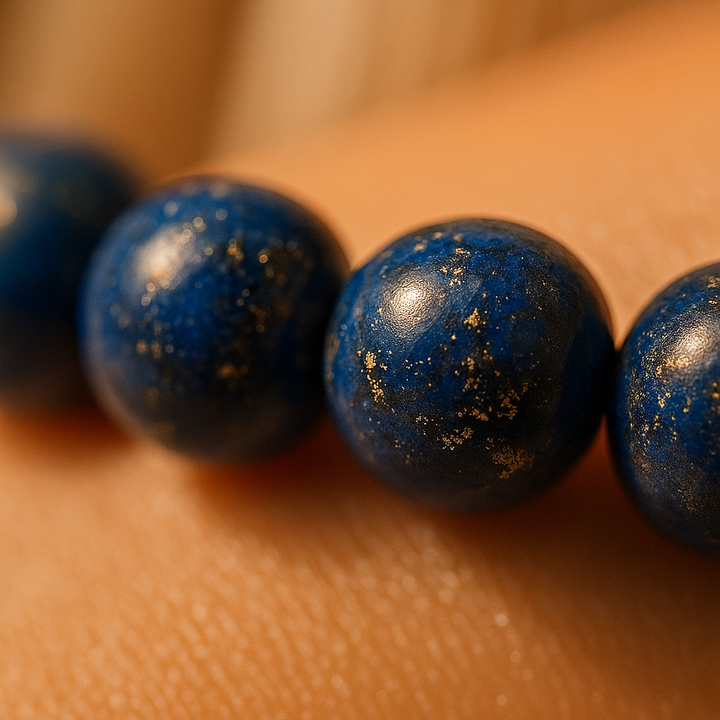
Lapis lazuli’s journey from rough mountain stone to symbol of wisdom and power starts with its mesmerizing color — that signature, intense blue shot through with golden flecks. But it’s what people did with it that turned lapis into legend.
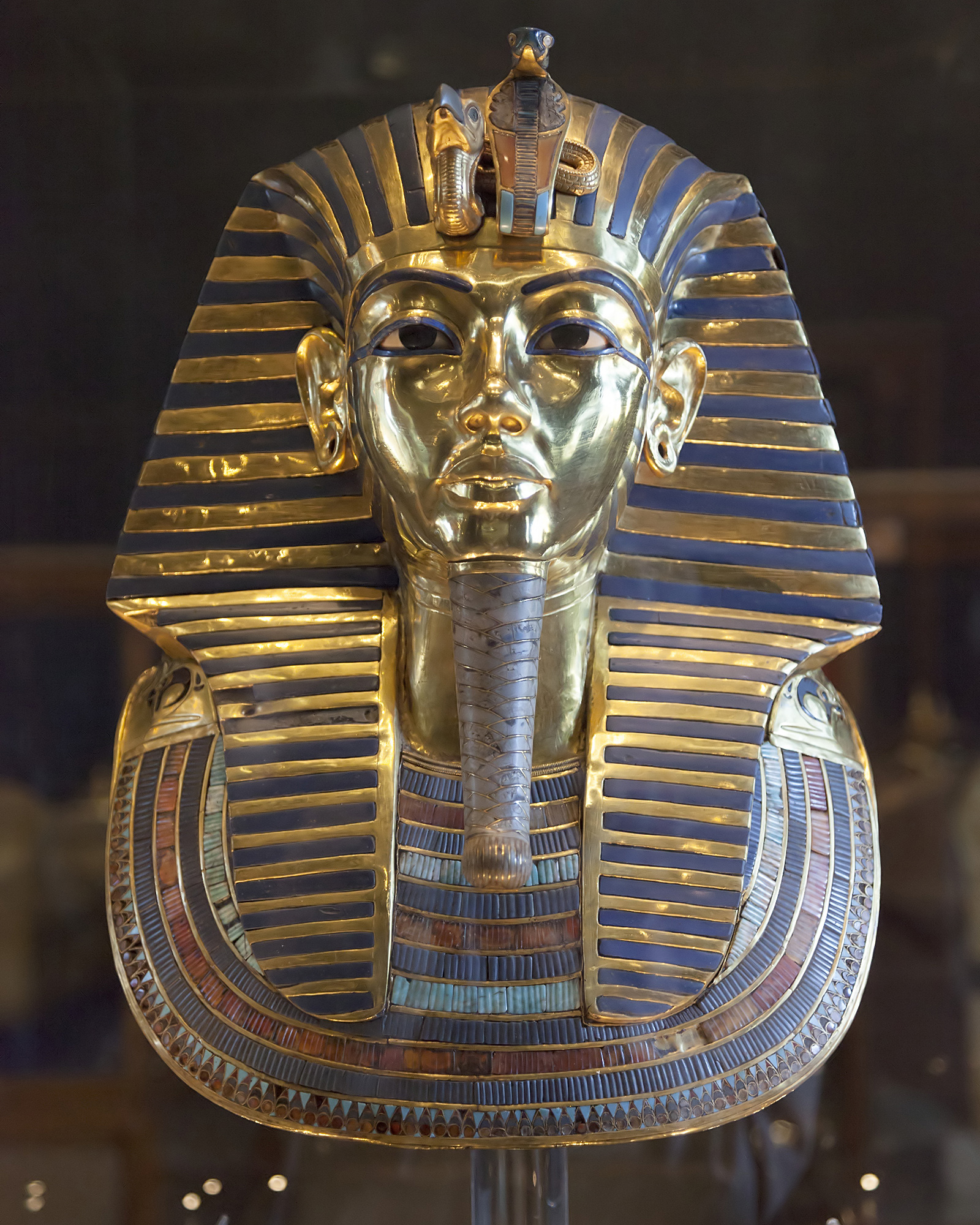
- Egypt: Lapis featured everywhere from the eyebrows of Tutankhamun’s funerary mask to scarabs and amulets, all pointing to the stone’s role in ideas about protection and the afterlife.
- Mesopotamia and Sumer: Priests and royalty wore lapis amulets as a symbol of status. Records show it was sometimes traded for gold, head-to-head, because it was believed to bestow divine insight.
- Greece and Rome: Used in seals, jewelry, and occasionally as medicine, lapis was tied to luxury and healing.
- Medieval Europe: The pigment ground from lapis — ultramarine — became the most valuable blue for iconography, especially the blue robes painted on the Virgin Mary.
The funerary mask of Tutankhamun features lapis lazuli for the eyebrows and eye surrounds.
Civilizations didn’t just wear lapis: they wrote about it, depicted it in their gods, and passed laws protecting its trade. The stone signaled both cosmic wisdom and terrestrial power — a combination rarely matched by other gems.
From Mountain to Masterpiece: Where Lapis Lazuli Comes From

Afghanistan’s Badakhshan province is the ground zero for lapis lazuli — the same mines have been worked for over 7,000 years. And while lapis is also found in Chile, Russia, and other locations, none match the historical or visual depth of Afghan stone.
| Country | Key Locations | Quality Characteristics | Historical Notes |
|---|---|---|---|
| Afghanistan | Badakhshan | Deep ultramarine blue, gold pyrite, minimal white calcite | World's oldest and most famous mines; source for ancient Egypt, Mesopotamia, and medieval Europe |
| Chile | Ovalle | Lighter blue, more white streaks | Modern source; less valued historically |
| Russia | Lake Baikal | Medium to deep blue, some pyrite | Used in Russian art and jewelry |
| Others | Italy, USA, Canada | Variable | Usually small deposits, less prized |
The most famous and historically important lapis lazuli deposits lie in Badakhshan, northeastern Afghanistan.
Centuries of mining have both challenged and shaped local cultures. The demand for lapis created ancient trade routes — precursor to the Silk Road — and even shaped regional conflicts and alliances.
Ancient Uses: Art, Adornment, and Spiritual Tools
Civilizations invented new uses for lapis as they found it, but three core threads run through its history: art, jewelry, and ritual.
Jewelry and Personal Adornment
Lapis beads and amulets turn up in tombs across Sumer, Egypt, and the Indus Valley as far back as 5000 BCE. Why so early? Lapis held up in burial conditions, its color unfading and its symbolism unbroken.
- Egyptians: Scarabs, amulets, and inlays in rings, often set in gold to enhance the blue-gold contrast.
- Mesopotamians: Cylinder seals — small carved tubes rolled over clay to leave an impression, used for legal and sacred documents.
- Romans and Greeks: Cameos, intaglios, and jewelry signifying rank or as gifts among elites.
Sacred and Ritual Objects
Lapis wasn’t just for beauty — it was loaded with spiritual meaning.
- In Egypt, lapis eyes on statues connected the material directly to the divine.
- Sumerians made ritual bowls and temple offerings.
- Medieval Christians saw ultramarine as the color of heaven, setting it apart for sacred imagery.
Art and Decoration
Arguably, no other stone has done more for the world’s art than lapis lazuli. Ground to powder, it became ultramarine — the most prized blue pigment for over 1,000 years.
- Renaissance and Baroque Painters: Artists like Vermeer and Michelangelo demanded real lapis for their most critical blues.
- Manuscripts: Illuminators in Islamic and European cultures reserved ultramarine for important figures or scenes.
Natural ultramarine was extremely labor-intensive to produce and highly stable, giving it unmatched brilliance and permanence.
The pigment’s cost sometimes exceeded gold by weight, changing entire art budgets and reserving the color for religious or royal iconography.
Symbolism and Meaning: Wisdom, Truth, and the Cosmos
There’s a reason lapis lazuli sits at the intersection of myth, magic, and meaning.
- Wisdom: Across cultures, lapis was the “stone of the gods,” thought to open minds and bring enlightenment.
- Truth: Ancient Sumerians and Egyptians believed lapis couldn’t be faked — its true blue color was a metaphor for honesty.
- Spirituality: Tied to the heavens, lapis became a symbol of protection from evil and of a cosmic order.
| Civilization | Primary Symbolism | Notable Uses |
|---|---|---|
| Sumer & Akkad | Divine connection, wisdom | Amulets, seals for sacred texts |
| Ancient Egypt | Royalty, protection | Burial masks, ritual jewelry |
| Medieval Europe | Heavenly prayer, purity | Ceiling frescos, altarpieces |
| Persia | Star-filled sky, order | Mosque inlays, talismans |
| Buddhism | Enlightenment, clarity | Prayer beads, statues |
Lapis’s association with wisdom and truth still echoes today. Many groups — from theosophists to new age seekers — treat it as a stone for meditation and mental clarity.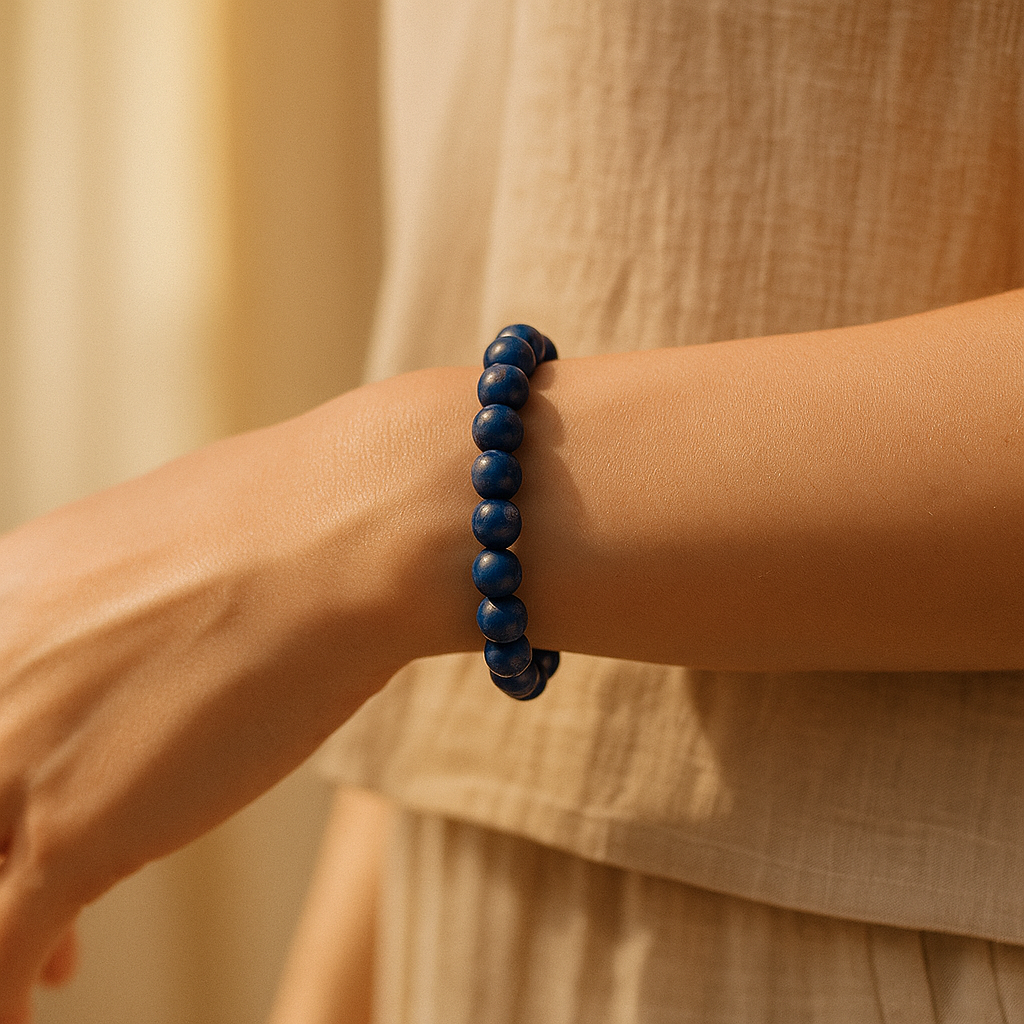
The Making of Ultramarine: Lapis as Art’s Deepest Blue
Think of it like this: before modern chemistry, if you wanted the richest blue known to artists, you needed lapis from Afghanistan. No exceptions.
How Ultramarine Was Made
Producing ultramarine wasn’t simple:
- Selection: Only the bluest, least streaked stones were chosen.
- Grinding: The stones were ground into fine powder.
- Purification: Mixed with waxes and resins, then washed with water to extract only the blue portion — a painstaking process.
- Pigment use: The final pigment went mainly to illuminated manuscripts and high-value paintings.
| Step | Process | Purpose |
|---|---|---|
| Selection | Sort by depth and purity | Removes inferior material, ensures color |
| Grinding | Crush into fine powder | Maximizes pigment extraction |
| Washing | Agitate with resins | Isolates brilliant blue component |
| Drying | Dry pigment cakes | Preps pigment for paint mixtures |
Painters sometimes specified — in their contracts — that clients would pay separately for “real ultramarine,” because its cost was unpredictable and immense.
“The pigment’s cost sometimes exceeded gold by weight, changing entire art budgets.”
Masterpieces Born From Lapis
Artists who risked fortunes for lapis pigment include:
- Michelangelo: Used ultramarine in the Sistine Chapel.
- Vermeer: Reserved it for the famed blue of Girl with a Pearl Earring.
- Fra Angelico: Lavished it on Madonna’s robes in early Renaissance Florence.
Having lapis blue in a painting wasn’t just a technical choice — it was a visual declaration of value and status.
Mysticism, Myths, and the Metaphysical
Lapis’s allure wasn’t just visual or material — it ran deep into stories, beliefs, and alternative medicine.
- Sumerian legend: Lapis was the stone of the sky god Enlil; only specially trained priests could bear it.
- Egyptian myth: The Book of the Dead mentions lapis amulets as essential to navigating the afterlife.
- Persian folklore: Blue stones protected from curses and brought calm.
- Buddhist tradition: Lapis mala beads to foster clarity during meditation.
Today, metaphysical practitioners still reach for lapis for “opening the third eye,” deepening intuition, and promoting honest communication.
| Belief System | Lapis Power Attributed | How Used |
|---|---|---|
| Crystal healing | Self-awareness, inner truth | Carried/worn as jewelry |
| Feng Shui | Enhancing wisdom, clearing clouds | Placed in study area |
| Chakra work | Activation of third eye, throat alignment | Used during meditation |
We should note: there’s no peer-reviewed evidence for the mystical claims, but the repeated pattern — thousands of years and cultures apart — is part of why lapis still fascinates.
Lapis Lazuli vs. Other Blue Stones: What Sets It Apart
With so much lore around lapis, confusion with lookalike stones like sodalite or dyed quartz isn’t rare — especially as the market grows.
| Stone Name | Key Differences | Color | Pyrite Inclusions | Use in History |
|---|---|---|---|---|
| Lapis Lazuli | Calcite veins, pyrite, intense blue | Deep blue | Yes (gold flecks) | Ancient, prized pigmented uses |
| Sodalite | Lacks pyrite, more violet-blue | Blue-violet | Rare/none | Modern, less valued |
| Dyed Howlite | Imitation, often uniform | Bright blue | None | Fake/fashion use |
Trained lapis cutters (and buyers) know to look for pyrite — those metallic flecks — and balanced deep color, which are unique to true lapis from Badakhshan. Lapis’s true blue color was a metaphor for honesty. Fake stones couldn’t match it.

Lapis Lazuli in Contemporary Culture: Old Wisdom, New Uses
Even as modern chemistry offers cheaper blue pigments and affordable jewelry substitutes, lapis lazuli hasn’t faded. In some areas, it’s even staged a revival.
Current Uses
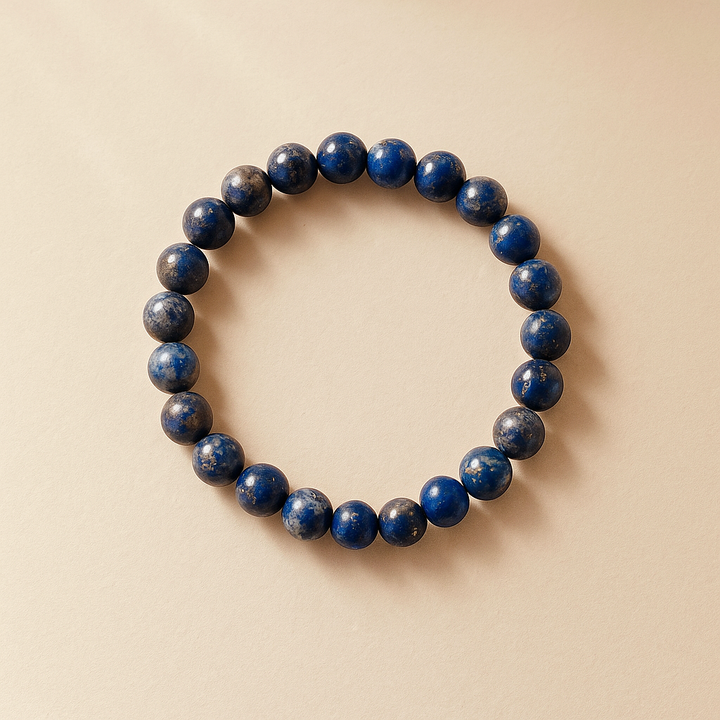
- Jewelry: High-end designers and indie makers both feature lapis in rings, necklaces, and earrings — often uncut or only lightly polished to highlight its natural patterns.
- Decorative Items: Carvings, desk weights, and even chess sets make use of lapis’s color and lore.
- Spiritual Practices: Meditation stones, “third eye” tools, and amulet crafting are widespread among holistic practitioners.
In Fashion and Design
Designers from New York to Mumbai use lapis accents, especially as the history and rarity assert luxury. Upscale watchmakers sometimes inlay lapis for unique faces or backs.
Meaning in the Modern World
The symbolism — cosmic wisdom, truth, power — still attaches to lapis, even as scientific understanding replaces older myths. For some, wearing or displaying lapis is a conscious stand for honesty or a reminder of humanity’s oldest search for understanding.
Trade, Power, and Lapis: How It Shaped Ancient Commerce
Long before silk or spices, lapis was the thread that linked distant worlds.
- Ancient Trade Routes: Sumerians sourced their lapis directly from Badakhshan, with trade passing through Iran and on to Egypt, sometimes over 1,500 miles from mine to market.
- Economics of Status: Because only the wealthy and powerful could command lapis, its presence identified elites — who in turn used it as diplomatic gifts or offerings to gods.
- Lasting Impacts: Some historians argue that lapis was an early driver for the routes that later became the Silk Road. That alone says something about its role in the spread of ideas and goods.
Missing from the Canon: Lapis Lazuli’s Environmental Cost
Most top articles skip this, but the truth matters, especially as consumers get more conscious. Ancient mines in Afghanistan’s Badakhshan are still active today, often worked with basic tools and little oversight.
Environmental Challenges
- Landscape Disruption: Mountains scarred after centuries of hand and, increasingly, machine extraction.
- Water Systems: Tailings and dust can compromise local rivers, though data is patchy due to remote locations.
- Worker Safety: Miners typically operate in hazardous conditions, often without protective equipment or modern supports.
Modern Certification and Ethics
While the gemstone industry is slowly shifting toward traceable, ethical sourcing, progress is slow in Afghanistan due to political instability. Some lapis is now “certified” by world jewelry councils, but sideline markets remain huge.
| Issue | Impact | Current Solutions |
|---|---|---|
| Environmental damage | Ecosystem disruption | Certification, limited restoration |
| Social cost | Poor wages, health risks | NGO advocacy, small fair-trade projects |
| Market opacity | Hard to verify origin | Blockchain, direct sourcing |
“Centuries of mining have both challenged and shaped local cultures. The demand for lapis created ancient trade routes…
As buyers or lovers of lapis, it’s worth asking where that blue stone came from — and what’s being done to protect both the land and the people who bring it from the mountain to the world.
Modern Craftsmanship: How Artisans Transform Lapis Today
While synthetic alternatives and cheaper stones exist, the lapis jewelry of today reflects both heritage and innovation. New tools allow cutters to maximize brilliance while honoring centuries-old designs.
Techniques Used
- Cabochon Cutting: The most common — shaping stones into smooth domes to highlight color and minimize flaws.
- Inlay: Combining lapis with silver, gold, shell, or turquoise, especially popular in Southwest U.S. jewelry.
- Carving: Skilled artisans in Afghanistan continue to carve bead strands and small figurines using traditional patterns.
Challenges and Innovation
- Stability: Lapis is only moderately hard (Mohs 5–5.5), so cutters must prevent cracking.
- Market Integrity: As demand for authenticity rises, reputable jewelers provide documentation, and some lapis pieces are laser-inscribed for traceability.
- Design Trends: Current buyers gravitate towards “minimalist” settings or “raw” lapis that shows veins and pyrite, staying close to the stone’s natural character.
We’ve found that many first-time buyers look for stones with a clear provenance and distinctive character — a sign of both historical value and conscious consumption.
What are the Benefits of Lapis Lazuli
| Use/Belief Area | Ancient Context | Modern Equivalent/Benefit |
|---|---|---|
| Spiritual wisdom | Meditation, amulets for insight | Mindfulness tools, symbols of clarity |
| Truth & honesty | Ritual oaths, legal seals | Self-expression jewelry, personal symbols |
| Status & power | Royal adornment, grave goods | Luxury fashion and statement pieces |
| Artistic achievement | Manuscript illumination, temple art | Fine art restoration, design accents |
| Healing (metaphysical) | Purported cures for insomnia, headaches | Meditation aids, holistic practices |
| Decoration & design | Temple and palace inlays | Modern interior design, watches, carves |
Lapis wasn’t just jewelry or pigment. It was a statement — of belief, of power, of what we value in the world.
Why Lapis Lazuli Still Matters
Few materials have meant as much, to as many, for as long, as lapis lazuli. Emperors wore it, artists clamored for it, and today’s thinkers and makers are still driven to understand it. At every step — from ancient Afghanistan’s mountains to the pigments that made the Madonna’s robe so bright — lapis has delivered more than color. It’s offered wisdom, sparked conversation, and inspired those who demand the extraordinary.
That’s why, even two millennia after Sumerians traded lapis for gold, we still reach for the deep blue stone. It remains a link to the best of what humans seek: beauty, meaning, and a connection to something bigger than ourselves.
Frequently Asked Questions
Q: Why was lapis lazuli considered more valuable than gold by ancient Sumerians?
A: Ancient Sumerians valued lapis lazuli more than gold because they believed it bestowed divine insight and wisdom, making it a symbol of status and power.
Q: What are the primary historical uses of lapis lazuli across different cultures?
A: Lapis lazuli was used for jewelry, sacred objects, and as a pigment in art. It appeared in amulets, burial masks, and was ground into ultramarine for paintings.
Q: Where does the highest quality lapis lazuli come from?
A: The highest quality lapis lazuli comes from the Badakhshan province in Afghanistan, known for its deep ultramarine color and historical significance.
Q: How did lapis lazuli influence ancient trade routes?
A: Lapis lazuli was a key trade item that linked distant regions, with ancient trade routes established to transport it from Afghanistan to places like Egypt and Mesopotamia.
Q: What modern uses does lapis lazuli have today?
A: Today, lapis lazuli is used in high-end jewelry, decorative items, and spiritual practices, often valued for its beauty and historical significance.
Q: What are the environmental concerns related to lapis lazuli mining?
A: Lapis lazuli mining can lead to landscape disruption, water system contamination, and unsafe working conditions for miners, raising significant environmental and ethical issues.
Q: How is lapis lazuli distinguished from other blue stones?
A: Lapis lazuli can be distinguished by its deep blue color and gold pyrite inclusions, whereas stones like sodalite and dyed howlite lack these features.
Q: What symbolic meanings are associated with lapis lazuli?
A: Lapis lazuli is associated with wisdom, truth, and spirituality, often viewed as a stone that connects individuals to the divine and promotes mental clarity.


